In most commercial kitchens, exhaust systems are cleaned every three to six months. High-volume operations may require cleaning monthly. Lower-volume kitchens can stretch to once or twice a year. The correct frequency depends on cooking type, production volume and the amount of grease generated. The more grease produced, the faster the system becomes contaminated.
What grease does to your exhaust system
A commercial kitchen exhaust system removes heat, smoke and airborne grease from cooking. As air moves through the system, larger grease particles are caught at the hood while smaller ones continue into ducts and fans, where they attach to surfaces and begin to accumulate.
This buildup is not linear. A thin layer forms first, becoming sticky and capturing more particles with every hour of operation. As accumulation increases, airflow becomes restricted, system efficiency drops and heat is retained in the kitchen. In high-volume kitchens, measurable buildup can occur within weeks.
What happens when cleaning is delayed
Grease is flammable. Accumulated grease inside ductwork is one of the most common causes of commercial kitchen fires. Beyond the fire risk, restricted airflow forces fans to work harder, driving up energy consumption. Over time, the additional strain shortens equipment lifespan and increases the likelihood of unplanned failures.
Cleaning too infrequently is a risk. But cleaning on schedule is not cost-free either.
The cost of staying on schedule
Regular cleaning means repeated service visits, operational disruption and ongoing coordination with external providers. In many kitchens, it becomes one of the most time-consuming recurring tasks in the maintenance calendar.
The cycle that keeps coming back
Cleaning removes grease that has already entered the system. It does not prevent new grease from entering. The system returns to operation, contamination begins again, and the next cleaning is already on the calendar. The underlying condition remains unchanged.
Stopping grease before it enters the system
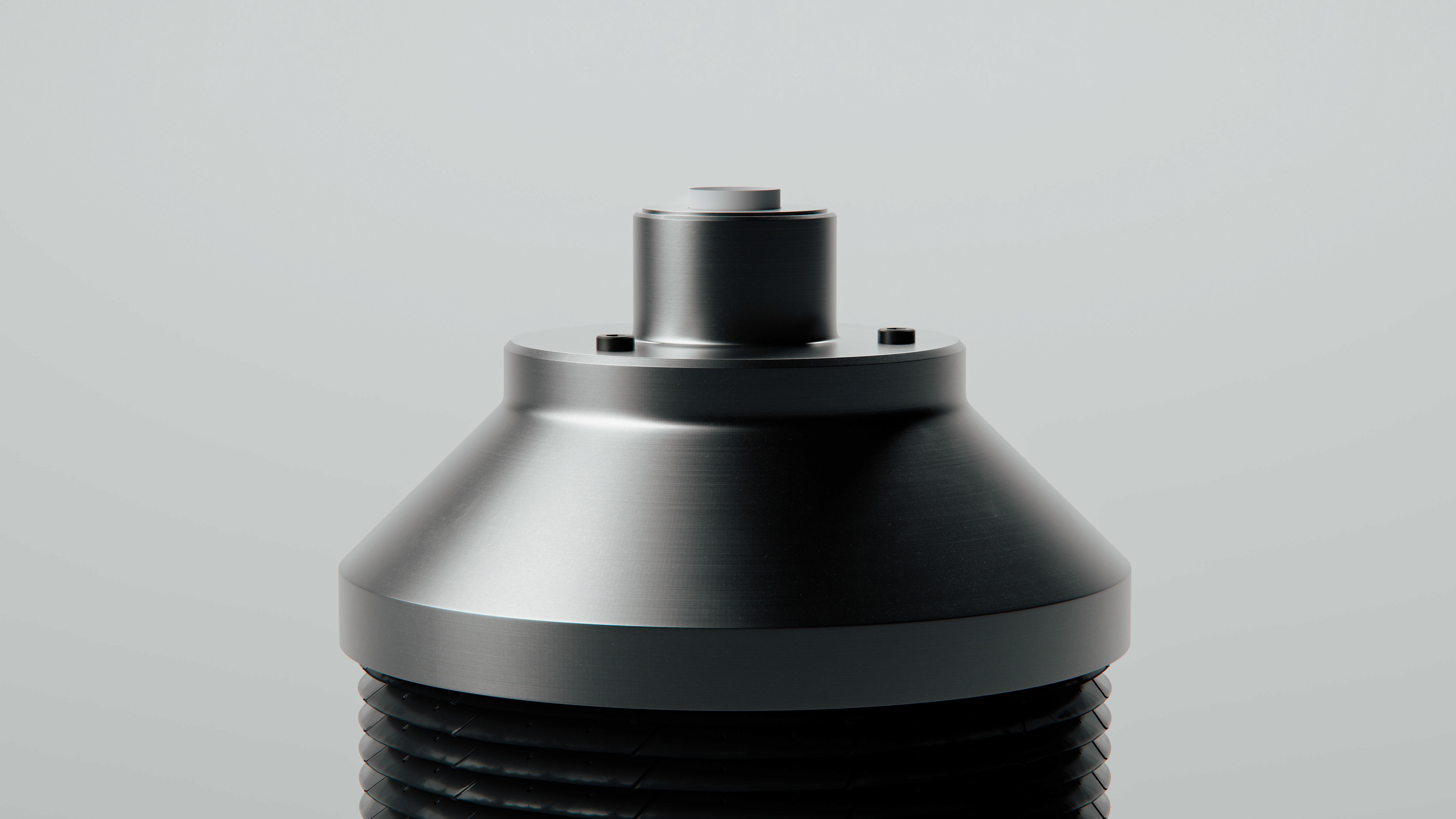
Cler installs at the kitchen hood and removes grease particles from the airflow before they reach the ductwork. Using centrifugal separation, particles drain away continuously during operation. There is no accumulation, no clogging and no buildup to clean.
At McDonald's Gotland, the system captured 15 litres of grease in the first three months alone. After four months, the site's chimney sweep said he had never seen cleaner ducts. Annual maintenance savings: 100,000 SEK.
Download the full report