Grease filters are built to catch large particles. The problem is that most of the grease mass in commercial kitchen exhaust consists of particles between 0.5 and 2.5 micrometres, which are too small for the filter to catch.
So they pass straight through. They settle in the heat exchanger and on the inside of the exhaust duct. That is the common source of four problems in commercial kitchen ventilation: heat recovery that is avoided or compromised for fear of clogging, combustible deposits in the ducts, demanding maintenance, and costs that are hard to compare fairly.
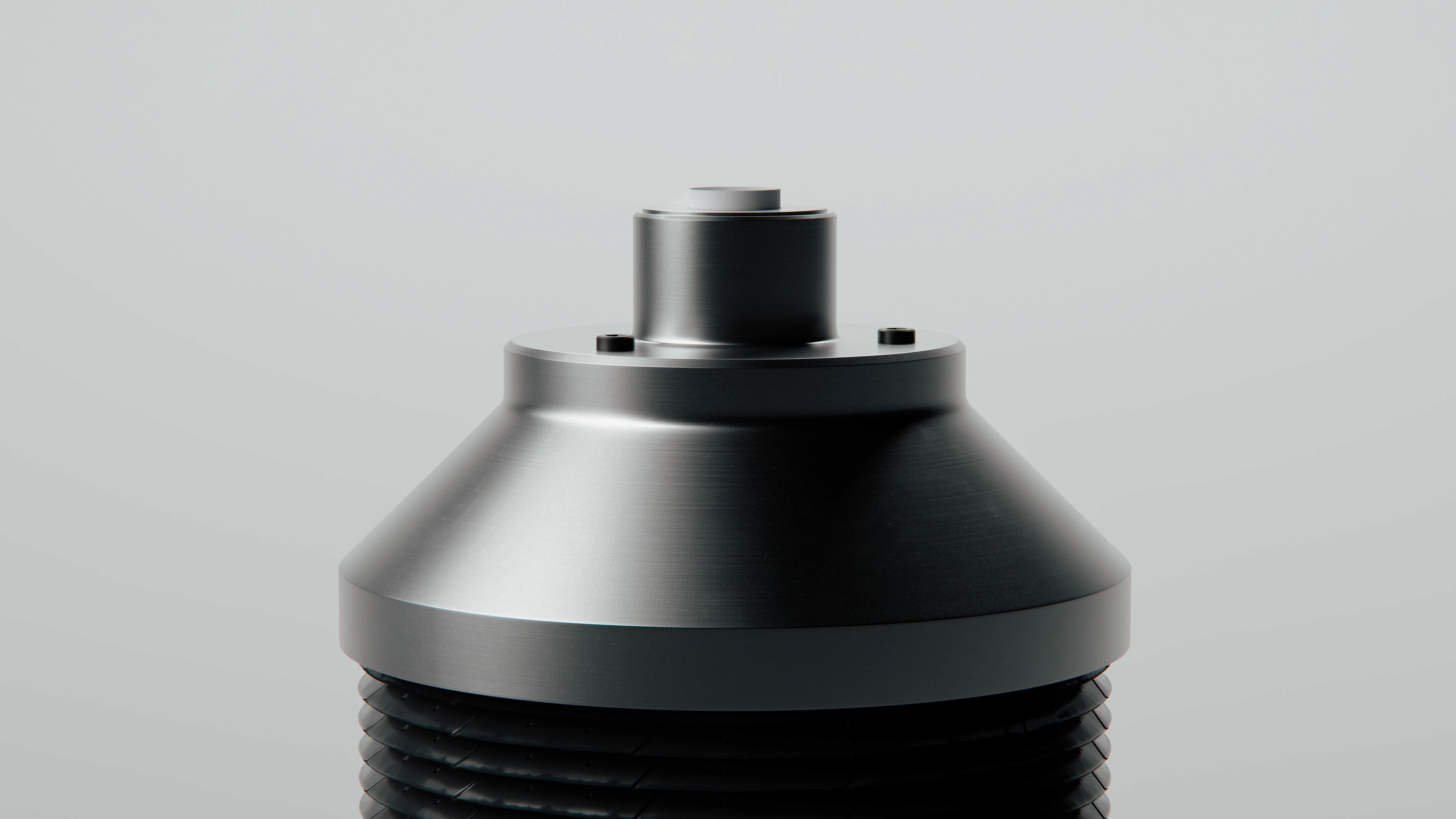
This is where 5,000 G makes the difference. In Cler’s PCP technology, the air passes between around 200 cone-shaped discs spinning at 6,600 rpm. The force presses fine grease particles out of the airstream, and the grease is drained into a collection container. No ozone, no UV, no chemicals.
In 2024, RISE tested an early prototype. It removed 99 to 99,99 percent of particles between 1 and 3 micrometres, the size range conventional grease filters are not built to capture.
This white paper sets out what the independent sources show, what the 2024 test found, and what it does not yet prove. The next step is long-term measurement in live kitchen operation.
Read White Paper 5 →