Commercial kitchen ventilation maintenance is rarely a single line on a budget. The direct costs are easy to track. The indirect costs, often larger, are harder to see until they compound.
The visible costs
Most kitchen operators track direct maintenance: duct cleaning, filter replacement and scheduled service visits. In high-volume environments, commercial fryers, charcoal grills, high-output cooking lines, filter saturation can occur within weeks and duct cleaning becomes a recurring cost that scales with volume, not just the calendar.
The hidden costs
Energy consumption. As filters clog and grease builds up in ductwork, airflow becomes restricted. Fans compensate by working harder. Energy consumption rises gradually, making the connection to ventilation easy to miss on a bill.
Operational disruption. Duct cleaning requires coordinating external service providers and, in most cases, interrupting kitchen operations. Even partial shutdowns affect productivity and service.
Labour and administration. Managing a maintenance schedule has its own overhead: supplier coordination, compliance documentation, scheduling around service windows. Across multiple sites, this becomes a significant administrative load.
System wear. Restricted airflow puts increased strain on fans and components. Over time, this shortens equipment lifespan and raises the likelihood of unplanned failures, each carrying its own repair and downtime cost.
Why kitchen ventilation costs keep repeating
Kitchen ventilation maintenance follows a predictable cycle: grease enters the system, performance declines, cleaning is required, the system resets and the cycle begins again. In high-volume kitchens this can happen several times per year. Each cycle carries cost. The cycle itself is the problem.
What Cler does differently – grease is removed at the source
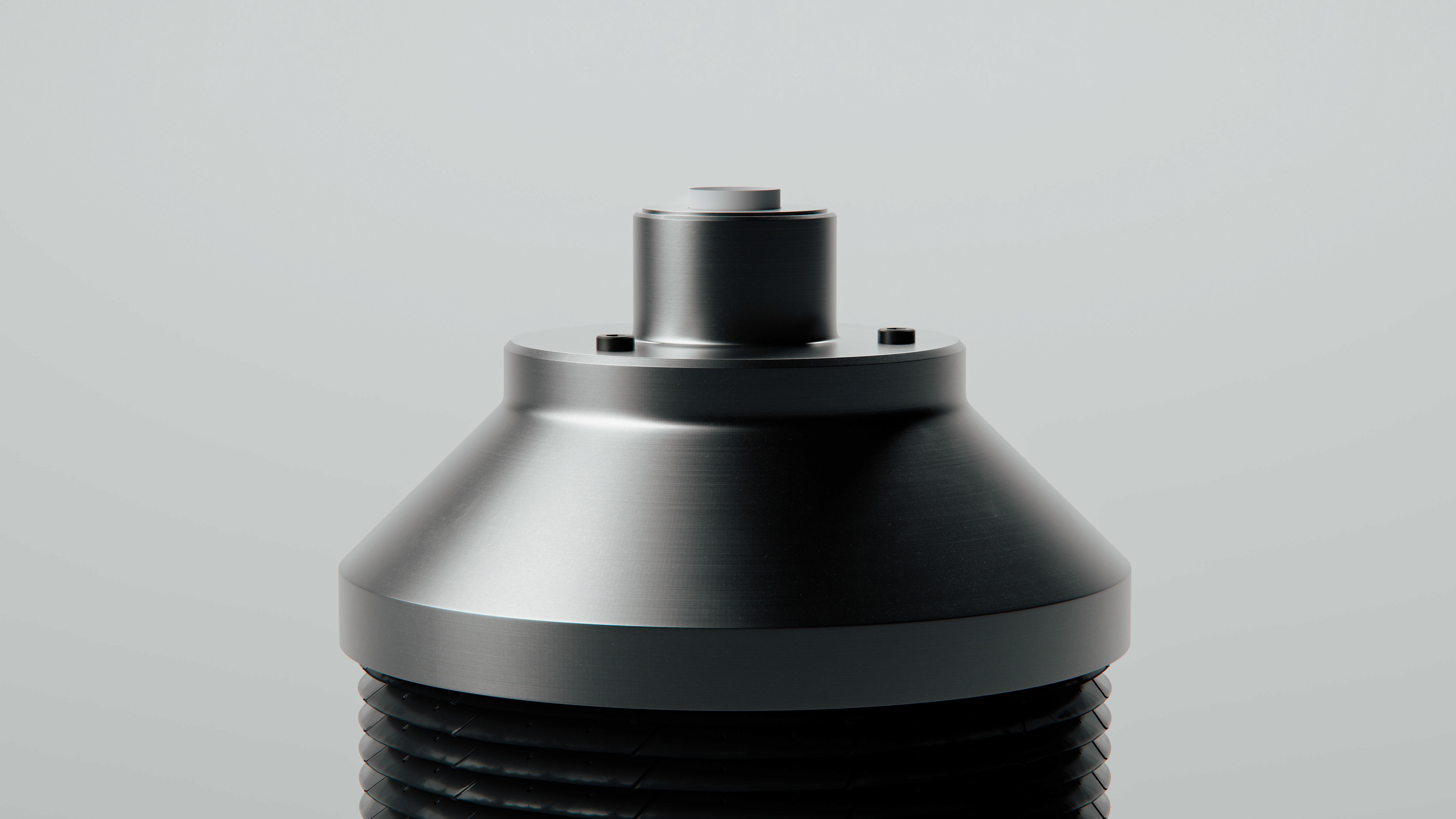
Cler installs at the kitchen hood, the point where grease first enters the ventilation stream. Using centrifugal separation, grease particles are removed from the airflow continuously and drain away during operation. Nothing accumulates in the ducts.
No filter replacement
Heavily reduced duct cleaning
Stable airflow and consistent energy consumption
No unplanned maintenance stops
At McDonald's Gotland, Cler captured 15 litres of grease in the first three months, material that would otherwise have entered the ductwork. After four months, the site's chimney sweep said he had never seen cleaner ducts. Annual maintenance savings: 100,000 SEK. Read the case study here.
In high-load commercial kitchens, total savings from reduced maintenance, energy and downtime can reach up to 240,000 SEK per site per year.
Download the full report