For decades, air pollution has been understood primarily as a respiratory and cardiovascular issue. The evidence linking fine particulate matter to asthma, reduced lung function and heart disease is well established, including in guidelines from the World Health Organisation. But the scope of concern is expanding.
How air pollution affects more than your lungs
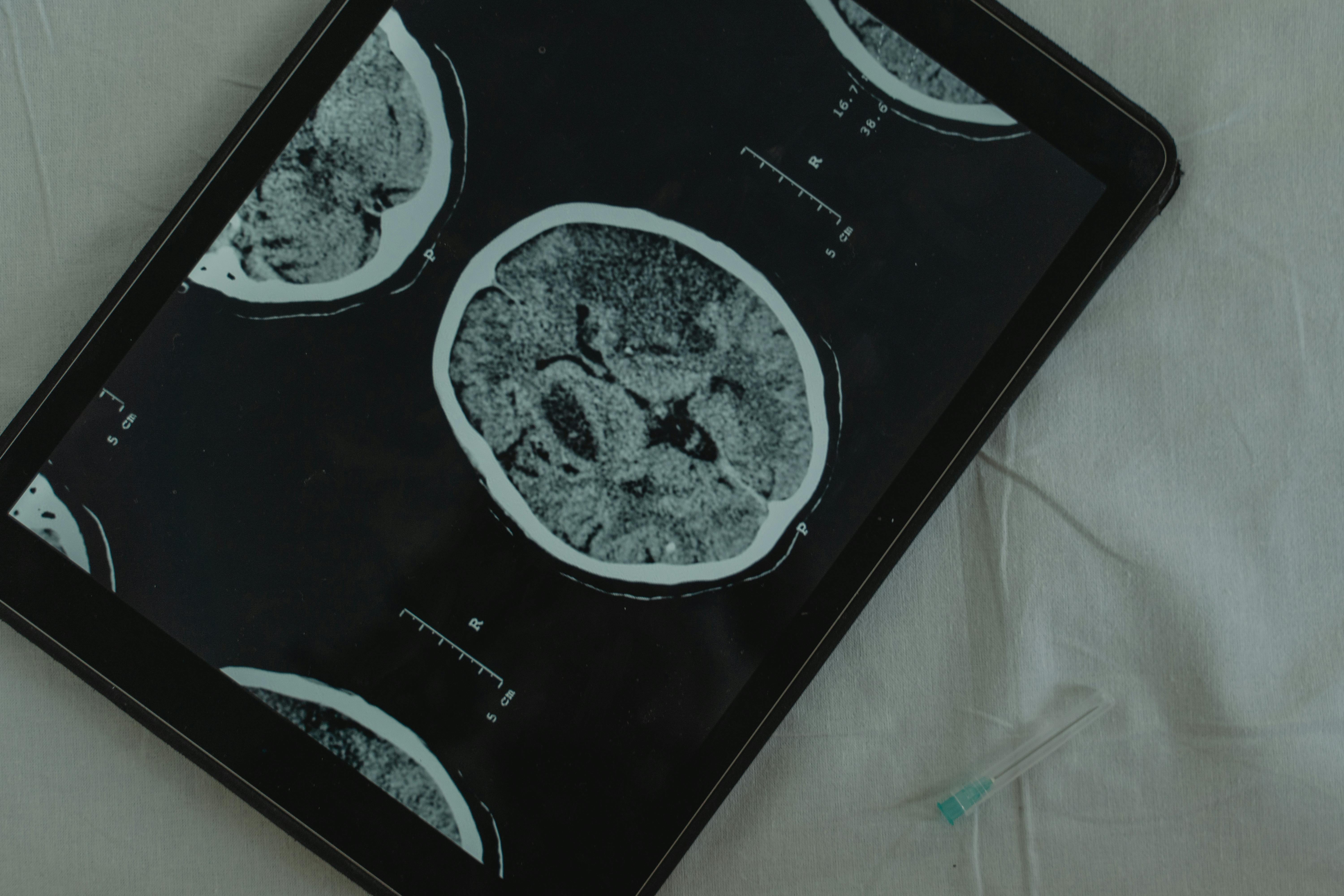
Recent research suggests that air pollution does not stop at the respiratory system. Fine and ultrafine particles are small enough to enter the bloodstream, cross biological barriers and reach the brain. A growing body of evidence links long-term exposure to cognitive decline, memory impairment and increased risk of neurological disease. A 2026 article in Forbes draws on this emerging research to argue that the health consequences of air pollution extend well beyond what has traditionally been measured.
Why PM2.5 and ultrafine particles are most harmful
Not all particles behave the same way. The most concerning are PM2.5, particles smaller than 2.5 micrometres, and ultrafine particles, which are smaller still. Because of their size, they remain suspended in the air longer, penetrate deep into the lungs and, in some cases, enter the bloodstream. This makes them difficult to intercept once they are present in a space.
Why indoor air quality matters as much as outdoor
Air pollution is often framed as an outdoor problem. But most people spend between 80 and 90 percent of their time indoors, where particles accumulate in enclosed spaces and ventilation systems determine exposure levels. Sources of indoor particles include cooking, combustion, industrial processes and external air entering the building. In environments with continuous activity, exposure is not occasional. It is constant.
Air quality in commercial kitchens and workplaces
In commercial settings, this is particularly relevant. Cooking releases grease particles, smoke and fine particulate matter continuously throughout the working day. These particles behave the same way as other airborne pollutants: they remain suspended, travel through ventilation systems and accumulate over time.
Traditional ventilation systems are designed to move air. They are not always designed to remove particles efficiently before they spread. A system can appear to function correctly while particles continue to circulate.
How removing particles at the source changes exposure
When particles are removed at the point they enter the ventilation stream, they do not circulate through the system, accumulate in ductwork or remain suspended in the environment.
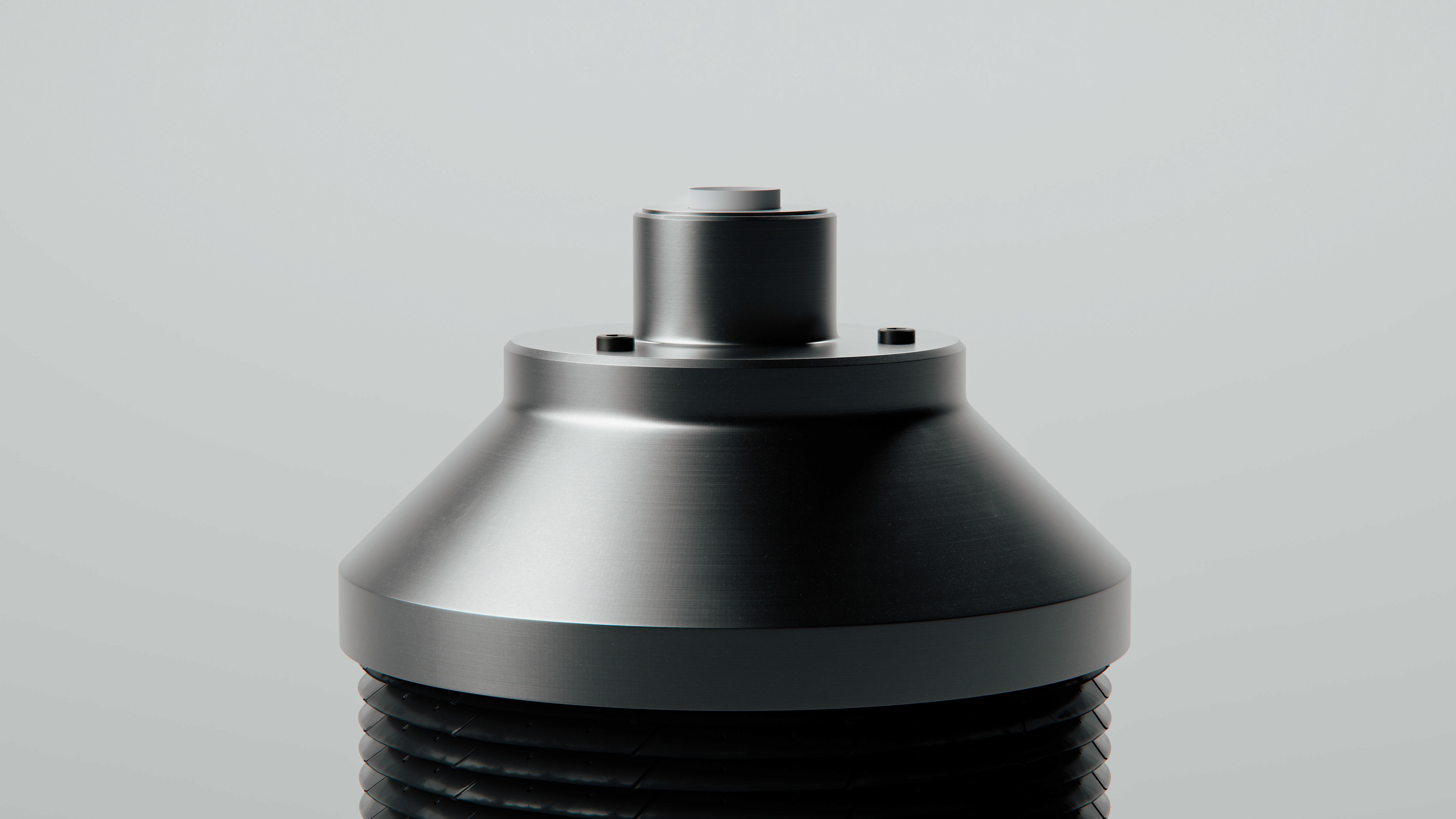
Cler removes particles continuously as air moves through the system, using centrifugal separation rather than filters. In a study at Karolinska University Hospital, Cler removed over 95% of particles in a patient room.
"We usually never see filtration above 70%," said Johan Nordenadler, PhD at the Karolinska Institute. "Cler purified the indoor air in a way we have never seen before."
At a preschool in central Stockholm, a reference installation recorded an 83% reduction in harmful indoor particles.
Download the full report