Both HEPA filters and electrostatic systems are designed to remove particles from the air. They take different approaches, perform differently over time and suit different environments. Here is how they compare.
What is a HEPA filter?
A HEPA filter is a mechanical filtration system. Air passes through a dense fibre structure that physically traps particles including dust, pollen and fine particulate matter. To meet HEPA standards, a filter must capture at least 99.97% of particles at 0.3 microns. HEPA filters are widely used in controlled environments where precise particle removal is critical.
What is an electrostatic air filter?
An electrostatic system removes particles by giving them an electrical charge and collecting them on surfaces with the opposite charge. Rather than trapping particles in a dense medium, the system separates them from the airflow. Electrostatic filters are commonly used in environments with continuous airflow and higher particle loads.
Do electrostatic filters work as well as HEPA?
This is where the two systems diverge most significantly.
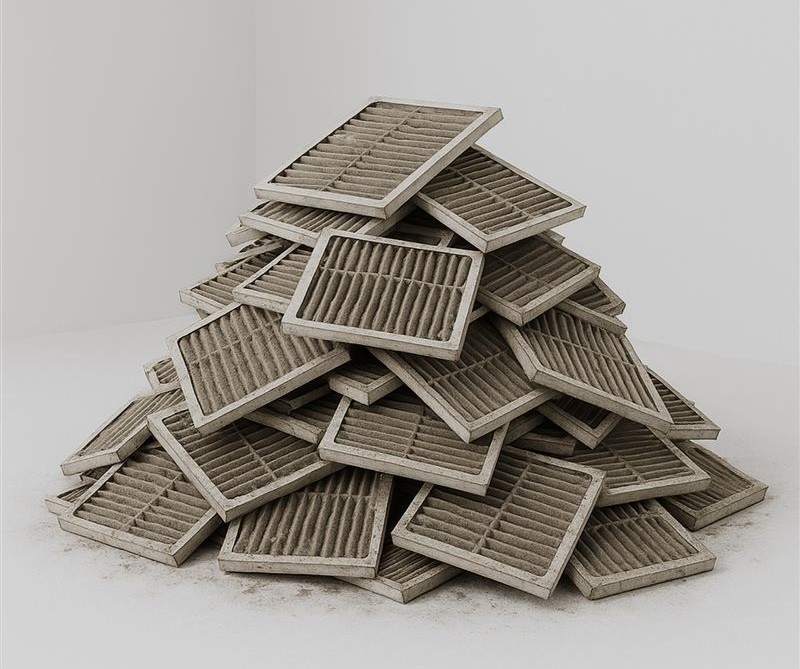
HEPA filters perform well when clean. As particles accumulate in the fibre structure, airflow becomes restricted, pressure increases and performance drops. At capacity, the filter must be replaced. The denser the filter, the faster this happens.
Electrostatic systems do not rely on dense filter media, so airflow remains more stable. However, the collection surfaces accumulate particles over time and must be cleaned regularly to maintain efficiency. Neither system is maintenance-free.
Which costs more to run?
The density of a HEPA filter creates resistance that increases energy consumption in the ventilation system. Electrostatic systems typically allow more consistent airflow, which reduces fan load in high-volume environments.
On maintenance cost, HEPA systems carry recurring expenses tied to filter replacement, disposal and downtime. Electrostatic systems shift cost toward cleaning and maintenance of electrical components. Total cost in both cases depends on usage intensity and operating conditions.
Which air filter is right for your building?
HEPA filters are well suited to controlled environments where maximum particle capture is required and replacement cycles can be managed. Hospitals, cleanrooms and precision manufacturing are typical examples.
Electrostatic systems are better suited to environments with high continuous airflow and heavier particle loads, where frequent filter replacement would be impractical.
Is there an alternative to HEPA and electrostatic filters?
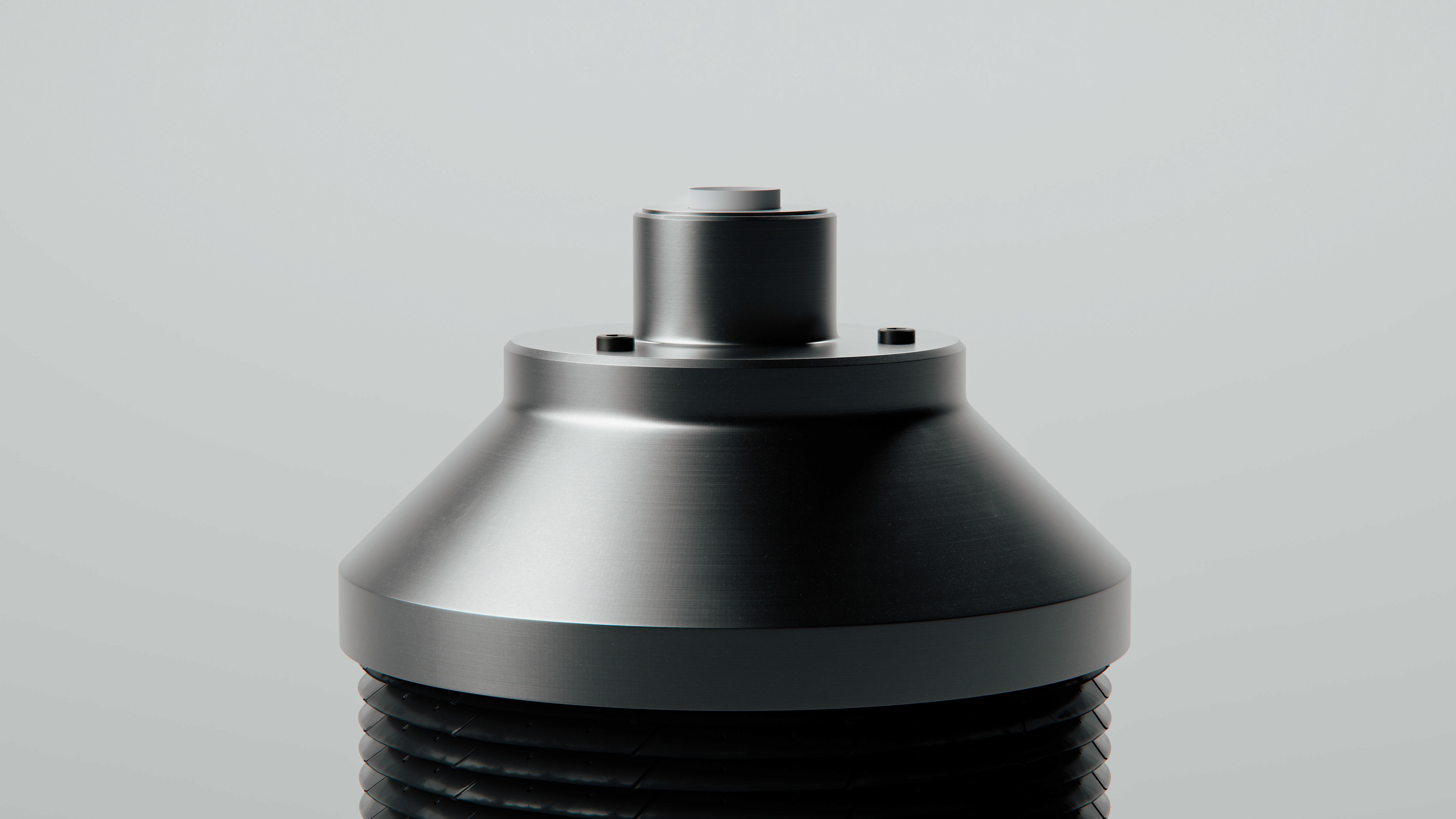
Both systems collect and store particles until the system requires maintenance. The difference is where and how they store them. Cler removes particles from the airflow entirely, using centrifugal separation to drain them away continuously during operation. There is no filter medium, no accumulation and no replacement cycle.
In environments where both filter types struggle, such as commercial kitchens with high grease output, this approach removes the cause rather than managing the symptom.
Download the full report