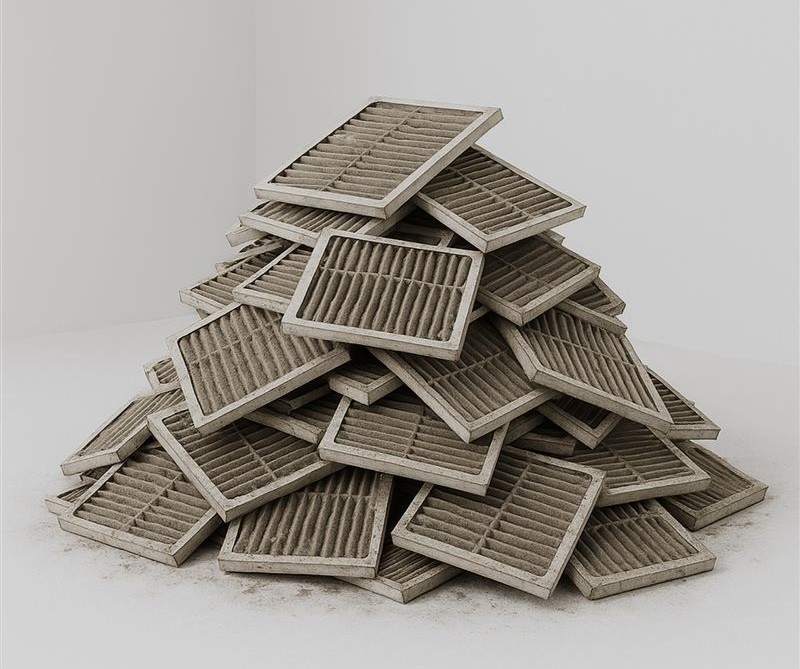
Air filters capture particles from the air passing through a ventilation system. Every filter has a finite capacity. Once it fills, performance drops and the filter must be replaced. In demanding environments, this can happen weekly or more.
This article explains how filter degradation works, what it costs over time, and how a different approach eliminates the replacement cycle entirely.
How filters work and why they fill up
Filters trap particles in a physical medium. As particles accumulate, airflow decreases, system pressure rises, energy consumption increases and filtration efficiency drops. A filter at 80% capacity performs significantly worse than a clean one. At full load, it can actively reduce air quality rather than improve it.
How often filters need replacing
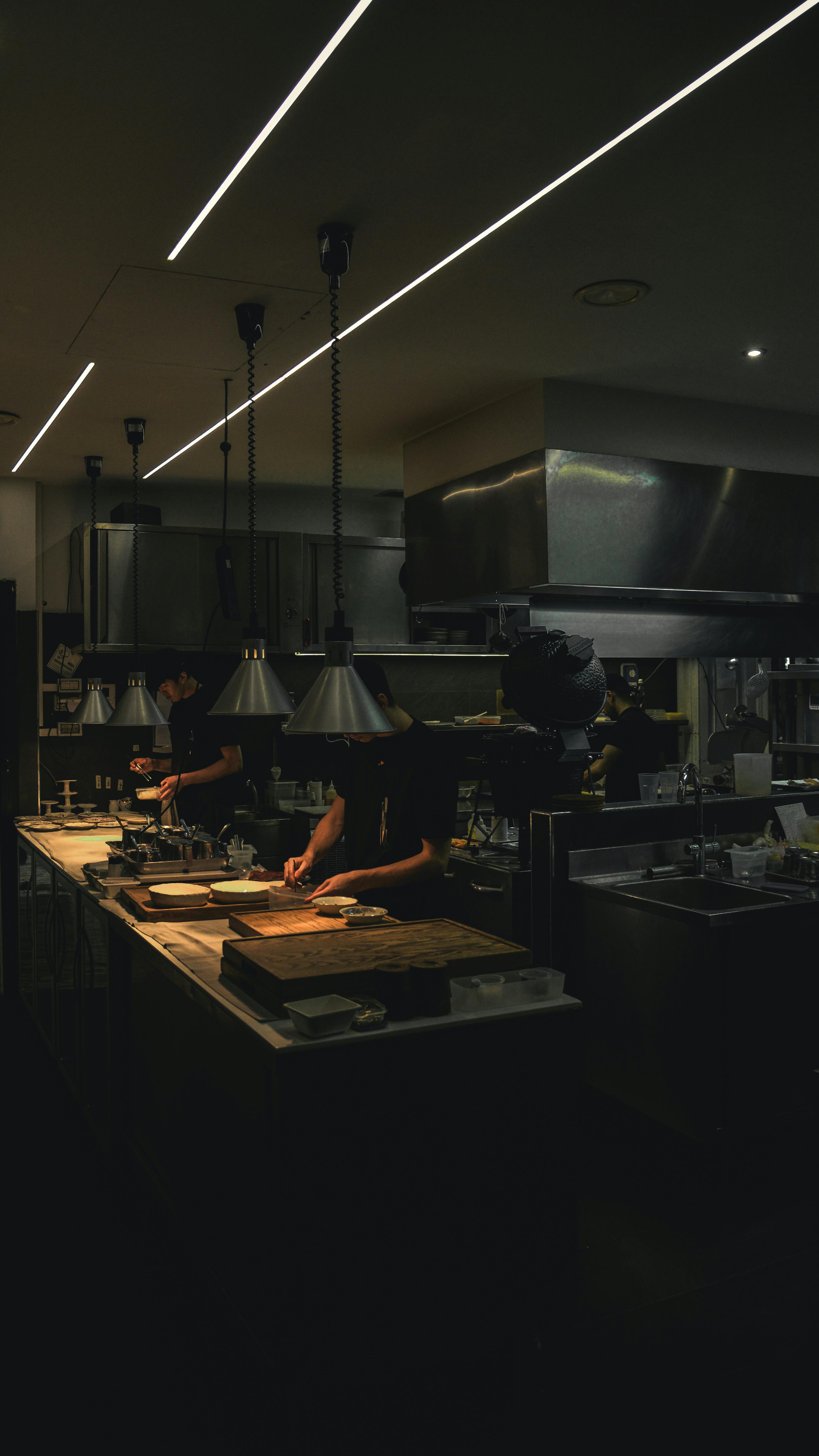
Replacement frequency depends on particle load, operating hours and environment type. In standard office buildings, filters may last several months. In commercial kitchens, industrial facilities and high-traffic buildings, replacement can be required monthly, weekly, or more frequently. In high-grease environments, a fully clogged filter also becomes a fire risk.
The real cost of filter maintenance
Each replacement cycle carries a direct cost: the filter itself (typically disposed of as hazardous waste), labour for scheduled and unscheduled visits, downtime during replacement and increased fan energy as pressure builds in a loaded filter. In a commercial kitchen running at full load, annual filter-related costs can reach 240,000 SEK or more per site.
Why common fixes don't resolve it
The standard response to filter degradation is to add more filtration. Larger filters, pre-filtration stages, more frequent cleaning. These approaches extend the interval between replacements. They do not eliminate the need for replacement. As long as a system relies on storing particles, it will always reach capacity and require intervention.
Continuous particle removal: a different model
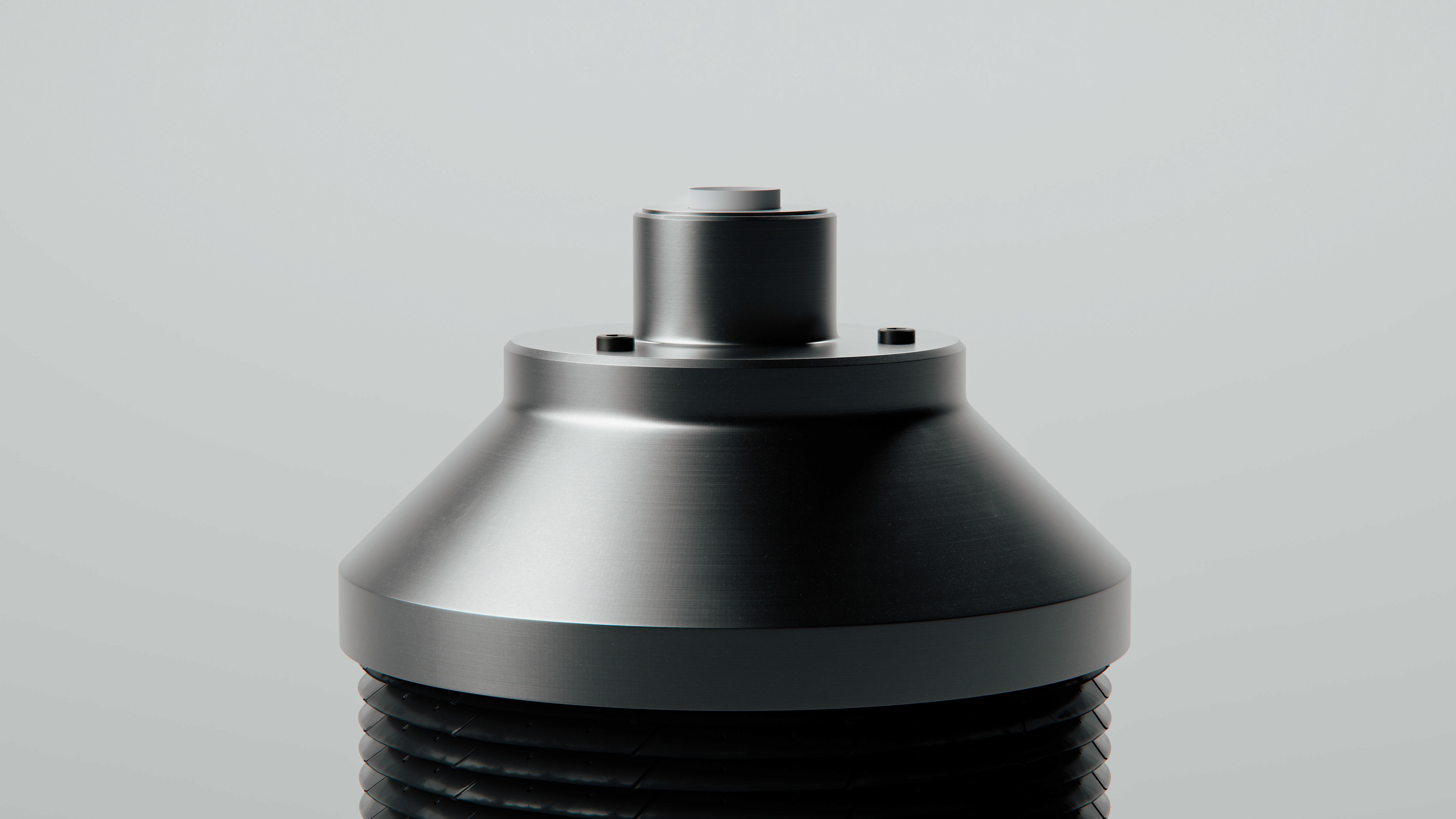
Cler does not store particles. It removes them.
Using centrifugal separation, air moves through the system at high speed. Particles are separated by weight and drain away continuously during operation. There is no filter medium that fills up, no clogging and no replacement cycle.
Consistent airflow and performance over time
No filter changes or filter disposal
No maintenance downtime
Lower energy consumption
90% cleaner air
In a high-load commercial kitchen, Cler captures the equivalent of 15 litres of grease in the first three months, material that would otherwise accumulate in ducts and filters.
Download the full report